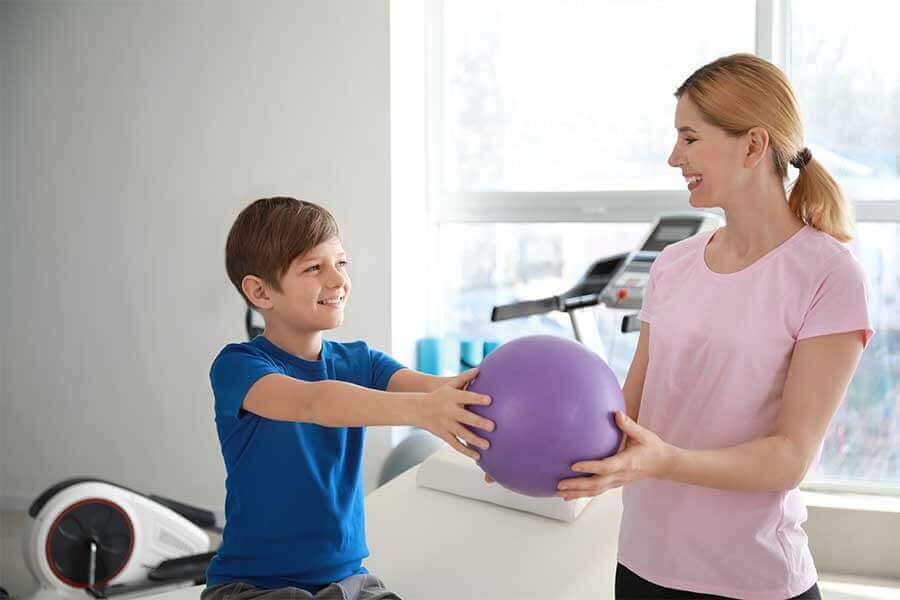

Engaging social skills activities play a critical role in the development of children’s interpersonal abilities and emotional intelligence. At Mark Their Words Therapy Services, our pediatric therapists specialize in creating fun and effective activities that help children build strong social skills. These activities not only improve communication and cooperation but also boost self-confidence and empathy.
Understanding Social Skills and Their Importance
Social skills encompass a range of abilities that allow children to interact effectively with others. These skills include communication, cooperation, empathy, and problem-solving. Developing strong social skills is essential for children’s success in school, friendships, and future workplace environments. Activities designed to enhance these skills help children learn how to express themselves, listen to others, and work collaboratively.
Recognizing Social Skills Challenges
Parents can identify potential social skills challenges by observing their child’s interactions with others. Children who struggle with social skills may exhibit certain behaviors.
Signs to Watch For:
Difficulty making or keeping friends:
- Children may have trouble initiating conversations or playing cooperatively.
Trouble understanding social cues:
- Children might misinterpret body language, facial expressions, or tone of voice.
Reluctance to participate in group activities:
- Children may avoid games or projects that require teamwork.
Early identification of these signs allows parents to seek support from pediatric therapists who can address these challenges effectively.
The Role of Pediatric Therapists in Enhancing Social Skills
Pediatric therapists, including speech-language pathologists (SLPs), occupational therapists (OTs), play a vital role in helping children develop social skills. Each type of practitioner brings unique expertise to the process.
Speech-Language Pathologists:
- SLPs focus on improving communication skills. They help children articulate their thoughts clearly and understand others. Activities such as role-playing conversations and practicing turn-taking in discussions enhance verbal and non-verbal communication abilities.
Occupational Therapists:
- OTs work on sensory processing and fine motor skills, which are important for successful social interactions. They create activities that involve sharing and cooperative play, helping children develop patience, empathy, and teamwork.
Engaging in Social Skills Activities
Incorporating social skills activities into therapy sessions and daily routines makes learning enjoyable and effective. These activities are designed to be play-based and developmentally appropriate.
Group Games:
- Games like “Simon Says” and “Red Light, Green Light” teach children to follow instructions, take turns, and cooperate with peers. These activities also improve listening skills and impulse control.
Board Games:
- Playing board games such as “Candy Land” or “Chutes and Ladders” encourages children to interact, follow rules, and handle winning or losing gracefully. These games provide structured opportunities for children to practice social interactions in a fun setting.
Art Projects:
- Collaborative art projects, painting a mural or building a model together, challenge kids to cooperate and practice effective teamwork skills. These activities promote creative expression and foster a sense of accomplishment and shared achievement.
Storytime and Discussion:
- Reading stories and discussing the characters’ actions and emotions helps children understand different perspectives and develop empathy. This activity also enhances listening skills and encourages thoughtful dialogue.
Benefits of Early Intervention
Early intervention in social skills development offers numerous benefits. Children who receive support from pediatric therapists can experience significant improvements in their social interactions and overall well-being.
Academic Success:
- Strong social skills contribute to better classroom behavior and academic performance. Children who can communicate effectively with teachers and peers are more likely to participate actively in lessons and group activities.
Emotional Well-Being:
- Developing social skills helps children manage their emotions and build positive relationships. This leads to increased self-esteem and reduced anxiety in social situations.
Lifelong Skills:
- The social skills learned in childhood provide a foundation for successful interactions throughout life. These skills are essential for building friendships, succeeding in the workplace, and maintaining healthy relationships.
Take Action: Support Your Child’s Social Development
Helping your child develop strong social skills is crucial for their overall growth and happiness. At Mark Their Words Therapy Services, our team of dedicated pediatric therapists is here to provide personalized strategies and engaging activities that support your child’s social development. Contact us today to learn more about our services and how we can help your child thrive!
Tags: Child Development, social skills activities, communication skills