
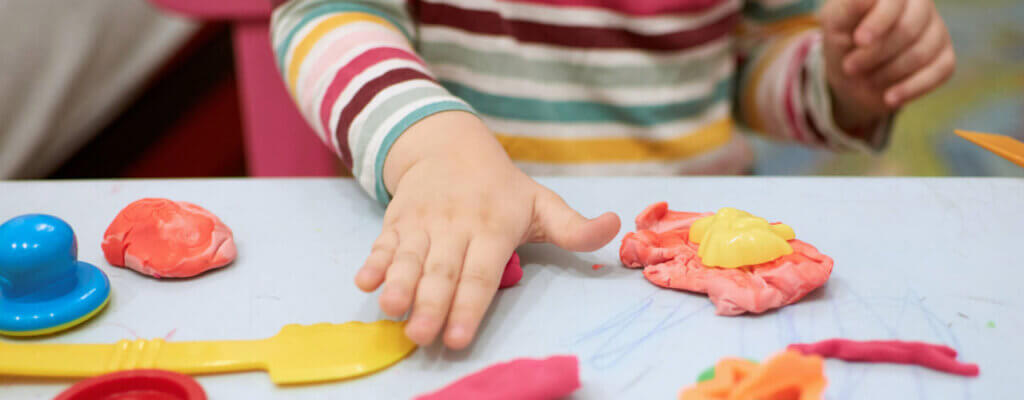
Fine motor skills are crucial for a child’s development. At Mark Their Words Therapy Services, we understand the importance of engaging children in activities that make learning fun and effective. Fine motor skills activities play a significant role in helping children develop the dexterity and coordination needed for everyday tasks such as writing, buttoning clothes, and using utensils.
Interactive Play for Skill Building
Children thrive in environments that stimulate their curiosity and creativity. Interactive play offers an excellent opportunity to enhance fine motor skills while keeping children entertained.
Playdough Sculpting:
- Playdough sculpting helps children strengthen their hand muscles and improve their dexterity. Encourage children to roll, flatten, and shape the playdough into various forms. This activity enhances hand-eye coordination and stimulates creativity.
Stringing Beads:
- Stringing beads onto a string or pipe cleaner develops hand-eye coordination and fine motor control. Children learn to grasp small objects and coordinate their movements, which is essential for tasks like writing and tying shoelaces.
Creative Art Projects
Art projects provide a wonderful way to practice fine motor skills while fostering creativity.
Finger Painting:
- Finger painting allows children to explore textures and colors while using their fingers to create art. This activity strengthens finger muscles and improves sensory processing.
Cutting and Pasting:
- Using safety scissors, children can cut out shapes from paper and paste them onto a collage. This activity enhances hand strength and precision while encouraging artistic expression.
Educational Games and Puzzles
Educational games and puzzles make learning fun and interactive, promoting fine motor skill development.
Puzzles:
- Solving puzzles helps children develop problem-solving skills and improve their hand-eye coordination. Handling small puzzle pieces requires precision and dexterity.
Building Blocks:
- Playing with building blocks, such as LEGO, enhances fine motor skills by requiring children to manipulate small pieces to construct structures. This activity also promotes spatial awareness and creativity.
Daily Routine Activities
Incorporating fine motor skills activities into daily routines can make skill development a natural part of a child’s day.
Dressing Up:
- Encouraging children to dress themselves helps them practice buttoning, zipping, and tying, which improves hand strength and coordination.
Baking Together:
- Baking activities, such as stirring batter, rolling dough, and decorating cookies, provide practical ways to develop fine motor skills. Measuring and pouring ingredients also enhance hand-eye coordination.
Sensory Play
Sensory play engages children’s senses and promotes fine motor skill development.
Sensory Bins:
- Fill bins with rice, beans, or sand, and hide small toys or objects inside. Children can use tweezers or their fingers to find and retrieve objects, enhancing their fine motor control and sensory processing.
Water Play:
- Activities like pouring water from one container to another or using a spray bottle to water plants help improve hand strength and coordination. Water play is also a calming and enjoyable experience for children.
Tailored Activities for Individual Needs
Every child is unique, and tailoring activities to meet individual needs ensures effective skill development.
Adapted Tools:
- Providing adapted tools, such as thicker pencils or specially designed scissors, can help children with fine motor difficulties. These tools make it easier for children to grasp and manipulate objects.
Therapeutic Exercises:
- Our occupational therapists at Mark Their Words Therapy Services design specific exercises to target and improve fine motor skills. These exercises may include squeezing therapy putty, using hand grippers, or performing finger isolation activities.
Benefits of Fine Motor Skill Development
Developing fine motor skills offers numerous benefits that extend beyond physical abilities.
Academic Success:
- Strong fine motor skills are essential for academic tasks like writing, drawing, and using a computer. Children with well-developed fine motor skills can complete classroom activities more efficiently and effectively.
Independence:
- Improving fine motor skills enables children to perform daily tasks independently, such as dressing, eating, and personal hygiene. This independence boosts their confidence and self-esteem.
Social Interaction:
- Participating in fine motor activities with peers fosters social interaction and teamwork. Children learn to share materials, take turns, and collaborate on projects, enhancing their social skills.
Enhance Your Child’s Fine Motor Skills Today
Engaging children in fun and educational fine motor skills activities is crucial for their overall development. Incorporating these activities into your child’s routine ensures they develop the skills needed for academic success, independence, and social interaction. Early intervention and consistent practice are key to helping children thrive in all areas of life.
At Mark Their Words Therapy Services, our dedicated therapists are committed to providing personalized strategies to support your child’s growth. Contact us today to learn more about our services and how we can help your child achieve their full potential through targeted fine motor skill activities!
Tags: occupational therapy technique, Child Development, fine motor skills, play-based therapy